

Pre-Spring Turf Planning in New Jersey: How to Prepare Your Lawn for a Healthier Spring
At LawnTech, we help homeowners across Central and Northern New Jersey get ahead of the season with proactive planning and precision timing. If you want fewer weeds, stronger roots, and faster green-up this spring, here’s exactly what you should be thinking about before your lawn wakes up.
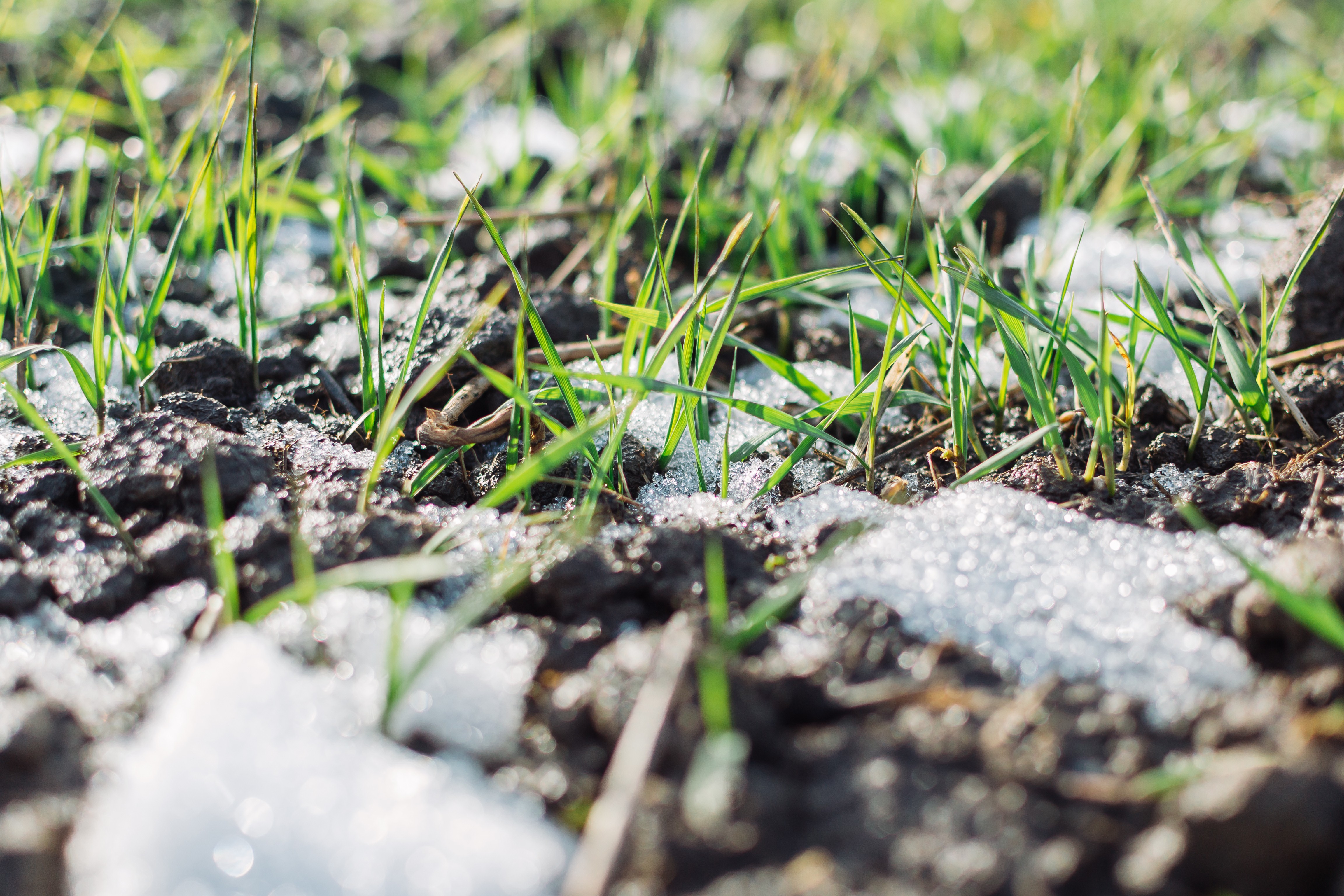
Pre-Spring Turf Planning in New Jersey: How to Prepare Your Lawn for a Healthier, Greener Spring
Winter may still be holding on across New Jersey, but when it comes to your lawn, spring success starts soon. Pre-spring turf planning is one of the most important , and most overlooked steps in achieving a thick, healthy, green lawn once temperatures rise.
At LawnTech, we help homeowners across Central and Northern New Jersey get ahead of the season with proactive planning and precision timing. If you want fewer weeds, stronger roots, and faster green-up this spring, here’s exactly what you should be thinking about before your lawn wakes up.
Why Pre-Spring Lawn Care Matters in New Jersey
New Jersey lawns face unique seasonal challenges:
- Freeze–thaw cycles
- Snow cover and ice damage
- Heavy winter moisture
- Compacted soils
- Early weed germination due to fluctuating spring temperatures
Many lawn problems that appear in April and May actually begin months earlier.
Without early planning:
- Weeds gain a head start
- Thin turf struggles to fill in
- Nutrients are applied too late to be effective
- Soil compaction and thatch go unnoticed
With pre-spring planning:
- Turf greens up faster
- Weed pressure is dramatically reduced
- Grass grows thicker and more evenly
- Lawns are more resilient during summer heat and drought stress
How to Avoid Winter and Snow Damage on New Jersey Lawns
After the snowy months, New Jersey lawns are especially vulnerable to hidden damage that can affect spring green-up. Heavy snow, ice, and repeated freeze–thaw cycles can weaken turf long before grass begins actively growing. Addressing winter damage as part of your pre-spring turf planning helps lawns recover faster and more evenly.
Common Types of Winter and Snow Damage
Snow mold: Prolonged snow cover creates moist conditions that encourage fungal diseases, leaving matted, gray or pink patches in early spring.
Salt and ice melt damage: De-icing products along driveways, sidewalks, and roadsides can burn turf and disrupt soil structure.
Compaction: Foot traffic on frozen or saturated lawns compresses soil, limiting root growth and oxygen flow.
Crown hydration injury: Fluctuating winter temperatures can cause turf crowns to absorb moisture, then freeze, leading to plant death.
How Homeowners Can Reduce Snow Damage
- Avoid walking on frozen or snow-covered lawns whenever possible.
- Use calcium-based or pet-safe ice melt products instead of traditional rock salt.
- Keep plow piles off lawn areas whenever possible.
How Pre-Spring Planning Helps Lawns Recover
Professional pre-spring turf planning allows LawnTech to:
- Identify snow mold or winter disease early
- Relieve compaction before peak growth begins
- Adjust spring treatments to support faster recovery
By addressing winter and snow damage early, New Jersey lawns enter spring stronger, healthier, and better prepared for the growing season.
1. Evaluate Winter Lawn Damage
New Jersey winters can be tough on turf. Snow cover, freezing temperatures, foot traffic, and fluctuating moisture levels all create stress.
Pre-spring inspections help identify:
- Thinning or bare areas
- Snow mold or fungal damage
- Compacted soil
- Drainage issues
Early detection means faster recovery once spring growth begins.
2. Plan Early Crabgrass Prevention
Crabgrass doesn’t appear overnight — it begin germinating as soil temperatures rise.
Strategic pre-emergent weed control:
- Stops crabgrass before they emerge
- Reduces the need for heavy post-emergent treatments
- Keeps turf thicker and healthier
Proper timing is critical, and pre-spring planning ensures treatments are applied at the right moment — not after crabgrass is already visible.
3. Prepare the Soil for Spring Growth
Healthy lawns start below the surface. Pre-spring turf planning focuses on soil health by addressing:
- Nutrient deficiencies
- pH imbalances
- Soil compaction
- Poor drainage areas
Healthy soil leads to stronger roots, better nutrient absorption, and improved drought tolerance during the summer months.
When Should You Start Pre-Spring Turf Planning in NJ?
The best time to begin is late winter through early spring, before turf enters active growth.
By scheduling early, New Jersey homeowners benefit from:
- Priority service windows
- Proper application timing
- Stronger spring performance
- Smoother seasonal transitions
LawnTech’s New Jersey Service Areas
LawnTech proudly provides professional lawn care services throughout Central and Northern New Jersey, including:
Annandale, Asbury, Basking Ridge, Bedminster, Bloomsbury, Bridgewater, Califon, Clinton, Far Hills, Flemington, Frenchtown, Gladstone, Glen Gardner, Hampton, High Bridge, Lebanon, Long Valley, Martinsville, Milford, Neshanic Station, Oldwick, Peapack, Phillipsburg, Pittstown, Pottersville, Quakertown, Raritan, Readington, Ringoes, Somerville, Stanton, Stewartsville, Three Bridges, Warren, Washington, Whitehouse, and Whitehouse Station.
If you live in or near these areas, pre-spring turf planning is especially important due to local climate patterns, soil composition, and seasonal weather variability.
Get Your Lawn Ready Before Spring Arrives
Taking action now gives your lawn a healthier foundation, better seasonal performance, and long-lasting results.
If you’re ready to get ahead of the season, LawnTech is here to help.